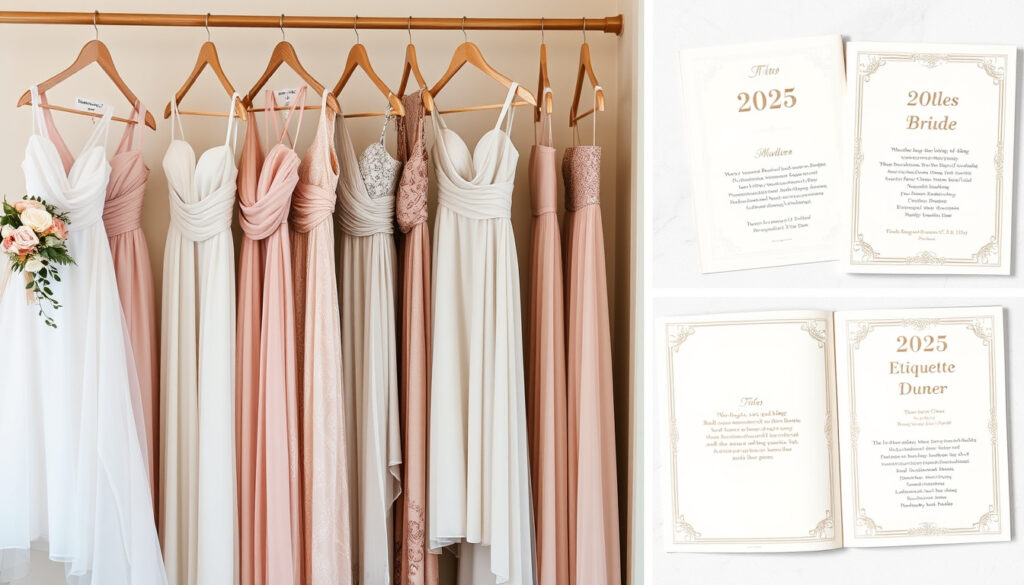
Mother of the Bride – Duties, Dresses and Etiquette 2025
The mother of the bride occupies a unique position in wedding celebrations, combining emotional presence with practical support throughout the entire planning process and on the big day itself. While traditions have evolved over time, this role remains rooted in family connection and celebration.
Understanding what the position entails helps ensure both the mother and bride feel comfortable and supported as they navigate one of life’s most significant milestones together.
What Does the Mother of the Bride Do?
Core Responsibilities
The mother of the bride provides planning advice and emotional support throughout the wedding journey. Her involvement spans from early decision-making through the final moments of the reception. Key tasks include helping select the wedding dress, attending fittings, and offering approval on major choices.
Practical assistance often centers on logistical matters. She may weigh in on venue selection, guest list management, registry curation, and cultural or religious traditions for the ceremony. Many mothers also take responsibility for wrangling RSVPs and tracking responses leading up to the event.
Participation in pre-wedding events represents another significant aspect of the role. This includes hosting showers, attending rehearsal dinners, and coordinating family interactions throughout the celebration weekend.
- Offer emotional guidance without dominating decisions
- Assist with venue, guest list, and registry decisions
- Participate in dress selection and fitting appointments
- Host or co-host pre-wedding gatherings
- Provide input on ceremony traditions and rituals
- Coordinate family dynamics and interactions
While the bride’s family historically covered a larger share of wedding costs, recent data shows parents funding approximately 51% of expenses, with couples contributing 49%. Financial involvement often shapes the level of decision-making input.
| Aspect | Traditional | Modern |
|---|---|---|
| Speech | Optional toast | Short, heartfelt remarks |
| Attire Color | Pastels and neutrals | Jewel tones and bold hues (2025) |
| Seating | Front row placement | VIP section with family |
| Decision Role | Primary authority | Collaborative support |
| Pre-Wedding Events | Host all gatherings | Share responsibilities with family |
What Should the Mother of the Bride Wear?
Selecting the right outfit involves balancing elegance with coordination. Mother of the bride dress etiquette prioritizes harmony with the wedding theme while maintaining personal confidence and style. The goal is to look polished without competing with the bride or bridal party.
Dress Selection Priorities
The mother of the bride traditionally selects her outfit before the mother of the groom. This sequence allows for better color coordination across both families. Once the MOB chooses, she communicates her selection so the MOG can complement rather than clash.
Key considerations include venue type, dress code, color palette, and personal comfort. Beach weddings might call for midi lengths or elegant jumpsuits, while black-tie affairs typically require full-length gowns. Professional guidance emphasizes comfort for full participation throughout the day.
Colors to Avoid and Embrace
- Avoid white and ivory, which remain reserved exclusively for the bride
- Skip black unless explicitly welcomed by the couple
- Steer clear of bridesmaid dress colors to prevent confusion
- Embrace jewel tones, metallics, and seasonal hues
- Consider how the palette photographs under different lighting
Begin shopping early after discussing preferences with the bride. Communicate the wedding’s formality and theme to ensure your choice harmonizes with the overall vision. Booking appointments 6-8 months ahead allows time for alterations and avoids rushed decisions.
2025 Dress Trends
This year’s 2025 MOB dress trends blend modern boldness with traditional elegance, moving well beyond the outdated notion of frumpy or matronly styling. Contemporary mothers have access to personalized, luxurious options that reflect their individual tastes.
| Category | Modern Trends | Traditional Elements |
|---|---|---|
| Colors & Prints | Bold hues, large florals, seasonal vibrancy | Neutral palettes complementing wedding scheme |
| Fabrics & Details | Ruffles, embellishments, luxurious textures | Timeless sophistication, delicate embroidery |
| Silhouettes | Column, fit-and-flare, A-line; midi lengths | Full-length gowns for formal occasions |
| Overall Style | Individuality, confidence, suits | Harmony, non-competitive elegance |
Does the Mother of the Bride Give a Speech?
Giving a speech falls under optional duties rather than requirements. Speeches are not listed among standard responsibilities, though participation in toasts or program segments aligns with cultural input and family tradition in many communities.
When Involvement Makes Sense
If the mother of the bride chooses to speak, brief, heartfelt remarks typically resonate better than lengthy speeches. Many mothers opt for a short toast during the reception, expressing pride in their daughter and welcoming the new family member. The key is matching the contribution to the overall flow of the evening’s program.
- Coordinate with the wedding planner or emcee before the event
- Keep remarks under three minutes for optimal engagement
- Focus on genuine emotion rather than rehearsed perfection
- Avoid inside jokes that exclude guests
- Consider whether speaking would cause anxiety rather than joy
General etiquette calls for being refined, confident, and aligned with the wedding vision. Some mothers prefer expressing their feelings privately rather than publicly, which remains perfectly acceptable under modern expectations.
Who Walks the Mother of the Bride Down the Aisle?
The mother of the bride typically enters during the processional, often after the wedding party but before the bride. In traditional ceremonies, she may be escorted by a family member or friend, though the specific protocol varies considerably based on cultural background and personal preference.
Processional Order Considerations
The mother of the bride usually takes her seat in the front row or designated family section once she reaches the altar. Emily Post’s etiquette guidelines suggest that escorting protocols should reflect the preferences of both the mother and the couple getting married.
- Coordinate with the officiant regarding entrance timing
- Confirm whether an escort is expected or preferred
- Know your final destination seating arrangement
- Allow enough time between the wedding party entrance and the bride’s arrival
Mother of the Bride Etiquette Rules
Proper etiquette for the mother of the bride centers on visible poise during ceremonies, photos, and family interactions. The fundamental principle is supporting the bride emotionally while maintaining awareness that the celebration belongs to her and her partner.
Essential Guidelines
- Defer major decisions to the bride’s preferences and vision
- Avoid posting wedding photos before the couple shares them publicly
- Refrain from overshadowing the bride through attire, announcements, or behavior
- Communicate any concerns privately rather than creating public scenes
- Respect cultural and religious traditions that may differ from your own
- Support the couple’s choices even when they differ from your expectations
Perhaps the most important etiquette principle involves recognizing that family dynamics require sensitivity. Differences of opinion should be addressed with grace, prioritizing the bride’s happiness over personal preferences or traditional expectations.
Wedding Planning Timeline for the Mother of the Bride
While no universal timeline exists, key milestones help guide involvement throughout the wedding journey. Modern expectations emphasize flexibility, matching assistance to individual strengths and the bride’s specific needs.
Key Planning Milestones
- Early Planning (12+ months): Discuss theme, color preferences, and overall vision with the bride. Begin dress shopping conversations.
- Mid-Planning (6-9 months): Assist with venue selection, help compile guest list, contribute to registry decisions.
- Dress Finalization (4-6 months): Finalize attire selection after confirming bridal party colors. Schedule alterations if needed.
- Pre-Wedding Events (1-3 months): Attend showers, participate in rehearsal dinner, coordinate family seating arrangements.
- Wedding Day: Full participation from ceremony processional through reception conclusion, supporting the bride throughout.
What Is Clear and What Remains Uncertain
| Established Information | Unclear or Variable Elements |
|---|---|
| Support role without dominating decisions | Specific speech expectations vary by family |
| Coordinate dress with MOG after selecting first | Processional escort customs differ by culture |
| Avoid white, black (unless specified), bridesmaid colors | Degree of financial contribution depends on family situation |
| Participate in pre-wedding events as host or guest | Regional and cultural variations affect protocol |
| Priority on bride’s vision over personal preferences | Timeline intensity based on bride’s needs |
| 2025 trends favor bold colors and modern silhouettes | Exact balance of traditional versus modern expectations |
Understanding the Role’s Evolution
The position has transformed considerably over generations. Historically, the mother of the bride often held primary authority over wedding decisions, particularly regarding venue, guest list, and overall vision. Modern celebrations increasingly emphasize collaborative approaches where the bride leads with the mother serving as supportive advisor.
This shift reflects broader cultural changes in family dynamics and wedding expectations. Contemporary mothers bring strengths that match their abilities—whether organizing RSVPs, providing aesthetic input, or simply offering emotional encouragement throughout the process. The relationship between mother and bride increasingly defines the role rather than rigid tradition.
For more context on understanding different ceremonial roles, see our overview of 3 Branches of Government – Roles Powers Checks Explained which explores how structured roles function together.
Expert Sources and Guidance
The Knot emphasizes that modern mothers should match their involvement to their strengths and comfort level, keeping both mother and bride comfortable throughout the journey.
Jovani’s dress etiquette guide stresses that flexibility in modern etiquette allows personal expression while maintaining refinement and respect for the celebration’s purpose.
The Dress Me Up NY blog notes that comfort remains essential for full participation, symbolizing family dynamics and respect for the event’s significance.
Summary
The mother of the bride serves as a pillar of support throughout the wedding experience, offering emotional guidance, practical assistance, and celebratory presence. Her duties span planning contributions, attire selection, pre-wedding event participation, and day-of support. Modern interpretations emphasize flexibility and personalization, allowing each mother-daughter relationship to define the specific balance of involvement. The role’s enduring value lies in family connection and celebration, not adherence to rigid protocol. Understanding these elements helps both mothers and brides navigate expectations and create meaningful experiences together.
For further reading on notable family moments in the public eye, explore our coverage of Zahara Jolie-Pitt – Spelman College and Name Change Facts.
Frequently Asked Questions
What color should the mother of the bride wear?
Avoid white and ivory which are reserved for the bride. Jewel tones, metallics, and bold hues work well in 2025. Coordinate with the mother of the groom after selecting your outfit first.
What does the mother of the bride do during the wedding?
She participates in the processional, takes photos, supports the bride emotionally, mingles with guests, and may give a short toast if desired. Her exact involvement depends on cultural preferences and the couple’s wishes.
Is the mother of the bride required to give a speech?
No, speeches are optional for the mother of the bride. If she chooses to speak, brief heartfelt remarks under three minutes work best.
Who walks the mother of the bride down the aisle?
The mother of the bride may be escorted by a family member, friend, or walk alone depending on cultural traditions and personal preference. Coordinate with the officiant for timing.
How far in advance should the mother of the bride buy her dress?
Start shopping 6-8 months before the wedding to allow time for ordering, alterations, and coordination with the mother of the groom. Early planning prevents rushed decisions.
What are the modern responsibilities of the mother of the bride?
Modern responsibilities include offering planning advice, helping with logistics like RSVPs, providing emotional support, and participating in pre-wedding events without overtaking the bride’s authority.
How much should the mother of the bride contribute financially?
Financial contributions vary widely. Recent data shows parents fund about 51% of weddings while couples cover 49%. The amount depends on family circumstances and is not a requirement.
What etiquette should the mother of the bride follow?
Key etiquette points include deferring to the bride’s vision, avoiding attire that overshadows her, maintaining poise during ceremonies, and addressing concerns privately rather than publicly.
More related posts
 Piercing Shops Near Me: Dublin Guide, Prices, Pain & Aftercare
 Rosuvastatin Side Effects: Common, Long-Term, What to Avoid
 Wedding Bands for Men in Ireland | Dublin, Cork, Tungsten
 Jon Hamm Dancing Meme: Origin, Song, and Jon’s Reaction
 Is Nancy Guthrie Alive – Verified Facts and Background
 Formal Dresses Near Me: Cost, Fit & 2026 Trends Guide
 U.S. Embassy Qatar Warning: What Travelers Need to Know
 Blox Fruits Codes for Devil Fruits: Myths vs Reality (2026)
