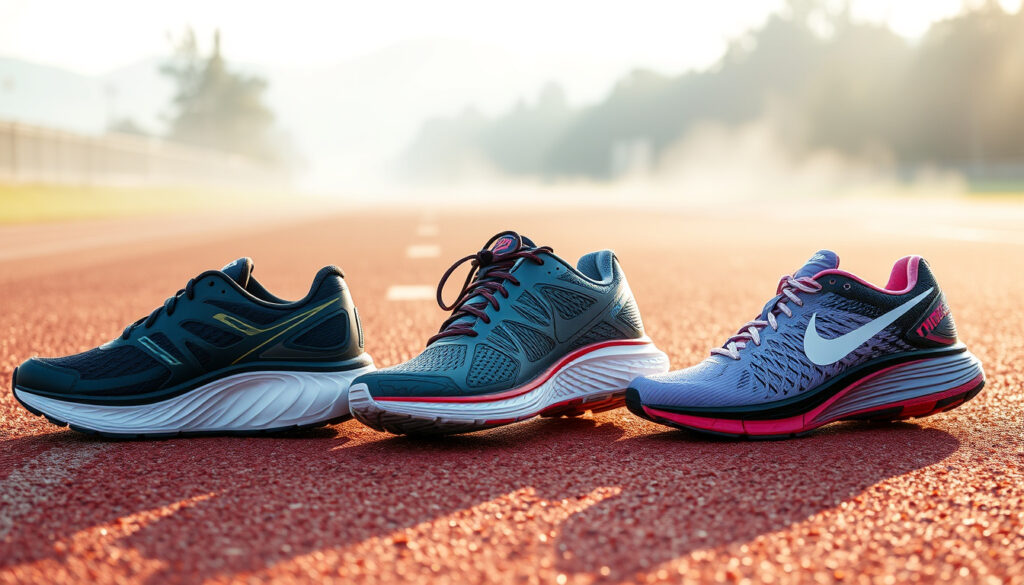
On Cloud Running Shoes: Reviews vs HOKA, Nike & Top Picks
If you’ve ever laced up a pair and thought “these actually feel like running on clouds,” you’re not imagining it. The Swiss-built On Cloud shoes have built a cult following precisely because their signature pod sole system delivers something genuinely different. This guide puts the brand’s core running models head-to-head against Hoka and Nike, with prices, performance data, and expert takes to help you pick the right pair for your training load.
Cushioning Technology: CloudTec® · Typical Lifespan: 8–12 months · Pod Design: Hollow Clouds compress in all directions · Usage Recommendation: All-day and running · Key Feature: Firm take-off after cushioned landing
Quick snapshot
- CloudTec pods reduce muscle fatigue by promoting energy return (Marathon Handbook)
- Helion foam performs across all temperatures (Marathon Handbook)
- Exact podiatrist recommendation rates lack published survey data
- No consensus on On Cloud being the single #1 running shoe
- On Cloud Surfer Next and Boom Echo 3 launched April 2026 (YouTube Top 10 On Cloud Shoes)
- 2026 model refreshes emphasize Versatility line (X4 for mixed workouts) (YouTube Top 10 On Cloud Shoes)
The table below consolidates key specifications that define the On Cloud running experience.
| Specification | Value |
|---|---|
| Brand Origin | Swiss engineered |
| Signature Tech | CloudTec® |
| Pod Function | Compress in all directions |
| Lifespan | 8–12 months normal use |
| Training Threshold | 20–30 km weekly |
| Foam Core | Helion superfoam |
Are On Cloud Shoes Good for Running?
On Cloud shoes work well for runners who want a responsive, firmer ride that still cushions each landing. The CloudTec pod system compresses independently on impact, which means the sole adapts to your foot’s angle rather than flattening uniformly like traditional foam midsoles. Runner’s World testing confirms that On’s Helion foam maintains consistent performance whether you’re logging easy miles or pushing tempo efforts.
Performance on roads and trails
The On Cloud lineup breaks down into two main terrain categories: road-specific models like the Cloudmonster 3 and Cloudsurfer Next, and trail-rated options like the Cloudultra Pro. Road shoes shine on pavement, short loops, and gym sessions where you want quick turnover. Trail variants add a nylon plate and slightly different pod geometry for grip on softer surfaces. Marathon Handbook notes that On Cloud shoes rank lower on the cushioned comfort scale compared to maximalist competitors, which makes them better for faster efforts than long, recovery-paced slogs.
Cushioning for long runs
For runs exceeding 90 minutes, On Cloud shoes reveal their limits. The pod soles wear faster at high mileage, and the firmer ride means your legs feel the impact more than they would in a Hoka Bondi or similar max-cushion shoe. WeeViews recommends Hoka for long-distance efforts where your priority is protecting your legs over maximizing responsiveness. That said, the Cloudboom Strike—a model specifically built for marathon racing—combines low weight with enough cushioning for race day without the marshmallow softness of maximalist rivals.
Which is Better, HOKA or On Cloud?
The HOKA-versus-On Cloud question comes down to what kind of run you’re doing and how much cushioning you want versus how much responsiveness you need. Both brands have loyal followings, but the philosophy behind each shoe line diverges significantly.
Cushioning differences
Hoka builds shoes around a maximalist cushioning philosophy—you get thick layers of PROFLY EVA foam and a pronounced meta-rocker that rolls your foot through each stride. The result feels plush and forgiving, like running on a memory foam mattress. On Cloud goes the opposite direction: the Helion foam midsole sits firmer, and the CloudTec pods add targeted cushioning at the heel and forefoot while the embedded Speedboard returns energy back into your stride. Trail and Kale describes Hoka as “plush and protective” versus On Cloud’s “firmer and propulsive” character.
Weight and responsiveness
WeeViews highlights that On Cloud shoes consistently weigh less than comparable Hoka models, which matters for tempo runs and races where every gram matters. Hoka’s thicker midsoles add durability but also add weight—runners doing everyday training often prefer the lighter platform of the Cloudmonster 3 over the heavier Bondi 9. The trade-off is that On Cloud pods wear faster under high-mileage training, while Hoka midsoles hold up better over hundreds of kilometers.
Runners clocking 40+ km per week benefit from Hoka’s durable midsoles and plush protection. Runners prioritizing speed and a connected feel will likely prefer On Cloud’s lighter, more responsive platform.
What this means: choosing between these brands is fundamentally a choice between protection and propulsion.
The comparison below outlines how Hoka and On Cloud differ across key running parameters.
| Factor | Hoka | On Cloud |
|---|---|---|
| Cushioning feel | Marshmallow soft, maximalist | Firm, propulsive |
| Midsole stack height | High | Moderate |
| Weight (avg trainer) | 270–310 g | 240–280 g |
| Primary use case | Long-distance, recovery runs | Tempo runs, races, gym |
| Durability at high mileage | Strong | Pods wear faster |
| Toe box width | Wider | Narrower |
| Stability features | J-Frame (moderate) | Limited (not for severe overpronators) |
Is On Cloud Better than Nike?
Comparing On Cloud to Nike means navigating two distinct design philosophies. Nike invests heavily in carbon-fiber plate technology and proprietary foams like ZoomX for its super shoes, while On Cloud focuses on the CloudTec pod system and Helion foam across its entire range.
Ride feel comparison
Nike’s race-day shoes like the Alphafly and Vaporfly deliver a bouncy, propelled sensation that comes from the combination of air pods and super foam under a rigid plate. On Cloud’s premium Cloudboom Max—Runner’s World notes is comparable to the Hoka Cielo X1—uses double Helion HF foam with a glass-fiber Speedboard to similar effect. For everyday training, though, Nike’s standard running lineup uses firmer foams that sit closer to On Cloud’s feel, making the direct comparison less stark than for race models.
Durability for runners
Nike running shoes typically last 500–800 km before midsole compression becomes noticeable, which outpaces On Cloud’s pod-based soles. Runner’s World testing confirms that the CloudTec pods compress permanently under heavy use, which means serious runners logging high weekly mileage may cycle through On Cloud shoes faster than Nike alternatives. The cost difference matters here: the On Cloudsurfer Next at $150 versus comparable Nike daily trainers at $130–$160 puts On slightly above the median price point.
Nike’s super-shoe technology remains ahead for race-day performance, but On Cloud matches or exceeds Nike’s everyday trainers in responsiveness at a similar price. If your goal is a fast marathon, Nike’s plated racers still dominate.
Do Podiatrists Recommend On Clouds?
The question of whether podiatrists specifically recommend On Cloud shoes comes up frequently among runners managing foot pain or seeking extra support. The honest answer is that published endorsement data from podiatric professionals remains scarce.
Support for foot pain
Several On Cloud models—the Cloudrunner 3 and Cloudultra Pro—offer more structured midsoles with added stability features that may benefit runners with mild overpronation. Marathon Handbook notes that neither Hoka nor On Cloud provides the kind of stability posting designed for severe overpronators, which means runners with significant biomechanical issues may need custom orthotics in addition to any off-the-shelf shoe. For general foot fatigue and everyday soreness, the CloudTec pods’ independent compression may reduce impact stress compared to firmer traditional midsoles, but clinical data directly comparing On Cloud to competitors remains limited.
Arch and alignment benefits
On Cloud shoes do not feature aggressive arch support structures, so runners with high arches or specific alignment concerns should test fit carefully or consult a podiatrist before committing. WeeViews confirms that On Cloud runs narrower than Hoka, which can create pressure points for wide-footed runners regardless of arch type. If arch support is a priority, look for the Cloudrunner 2, which offers more midfoot structure than the speed-focused Cloudboom models.
For runners with foot pain, the best approach is a gait analysis with a sports podiatrist who can recommend a shoe based on your biomechanics—not brand preference. On Cloud’s firmer ride may aggravate some existing conditions while benefiting others.
What Are the Top Running Shoes Including On Cloud?
Multiple specialist running publications publish annual best-of lists that include On Cloud models alongside Hoka, Nike, ASICS, and Brooks. The 2026 rankings show On Cloud well-represented in the “daily trainer” and “speed” categories while lagging in the max-cushion recovery segment.
Top 5 picks for 2026
Runner’s World rates the On Cloudmonster 3 at $190 as the best everyday trainer in the current lineup, praising its balance of cushioning and responsiveness for runners logging 20–40 km weekly. The Cloudsurfer Next at $150 earns the best-value designation for its smooth ride and lower price entry point. The Cloudboom Strike stands out as On’s marathon-specific racer, while the Cloudultra Pro serves as the trail option with Helion HF foam and a nylon plate. Hoka’s Bondi 9 competes directly with the Cloudmonster in the max-cushion everyday category, while Nike’s Pegasus series addresses the same mid-range daily trainer market.
#1 shoe contenders
No single running shoe universally claims the #1 spot across all publications, and for good reason: different runners need different things. Believe in the Run highlights the Cloudultra Pro as a top trail choice, while RTINGS.com’s testing favors the Cloudboom Strike for marathon racing. The Hoka Clifton and Bondi lines, Nike Pegasus, and ASICS Gel-Nimbus consistently appear in top-5 lists across outlets, reflecting their broader appeal rather than superior performance at any specific task.
Upsides
- CloudTec pods provide responsive, springy feel for speed work
- Lighter weight than most Hoka trainers
- Swiss-engineered Helion foam performs in extreme temperatures
- Versatile lineup spans daily trainers to marathon racers
- Strong brand presence in running specialist stores and reviews
Downsides
- Pods wear faster at high mileage compared to foam midsoles
- Narrow fit requires sizing up for many runners
- Not designed for severe overpronators
- Less cushioning than maximalist competitors for long runs
- Premium pricing ($150–$190 for top models)
How Expert Sources See the Brand
The midsole of Hoka shoes is much softer, and On Cloud shoes feel more firm and springy.
— Marathon Handbook (Running Shoe Review Site)
HOKA still owns that maximalist, plush, high-stack look that screams ‘cushion for days’. On Cloud leans firmer and more propulsive.
— Trail and Kale (Running Blog)
The Cloudboom Strike combines very low weight with exceptional forefoot cushioning—making it On’s standout marathon shoe.
— RTINGS.com (Testing Site)
Related reading: On Cloud vs Hoka Nike comparison · best running shoe alternatives
weeviews.com, runnersworld.com, trailandkale.com, youtube.com, runnersworld.com, the-independent.com, youtube.com, rtings.com
Frequently asked questions
What is the Cloud collection?
The Cloud collection is On’s core running line featuring the CloudTec pod sole system. It includes road trainers like the Cloudmonster 3, performance shoes like the Cloudboom Strike, and versatile options like the Cloudsurfer Next designed for daily running.
How do On Cloud shoes fit?
On Cloud shoes run narrow compared to most running brands. Many runners size up half a size, especially if they have wider feet. The toe box offers less room than Hoka’s wider-cut models.
Are On Cloud shoes waterproof?
Standard On Cloud road shoes use breathable mesh uppers without waterproof membranes. The Cloudultra Pro trail shoe and select winter models offer water-resistant options, but most Cloud collection shoes are not fully waterproof.
What sizes are available for On Cloud runners?
On Cloud running shoes typically run from US men’s 6 through 15 and women’s 5 through 12 in standard widths. The brand offers medium width as default; wide-fit options are limited in the running lineup.
Where to buy On Cloud running shoes on sale?
On Cloud shoes appear on sale at major retailers like Running Warehouse, Fleet Feet, and brand-authorized outlets. Clearance sections on On’s official website and Amazon also carry past-season models at reduced prices.
Can On Cloud shoes be used for walking?
Yes—the Cloudmonster 3 rates as one of the best On Cloud shoes for walking in addition to running, according to video reviews. The cushioned heel and rocker geometry make them comfortable for all-day wear, though the firmer ride may feel less plush than walking-specific shoes for long periods on hard surfaces.
What is the weight of On Cloud running shoes?
On Cloud running shoes weigh between 240 and 280 grams per shoe for men’s size 9, making them lighter than most Hoka trainers. The Cloudboom Strike specifically targets low weight as a marathon racing shoe, while the Cloudmonster 3 sits in the mid-range for everyday trainers.
For runners in the US market, the choice between On Cloud, Hoka, and Nike comes down to training priority. Log most of your weekly mileage in easy-paced long runs? Hoka’s plush midsoles reduce cumulative fatigue better. Prioritize tempo workouts and want a shoe that snaps back quickly underfoot? On Cloud’s firmer, springier platform responds faster. Planning to race a marathon in a super shoe? Nike’s carbon-plated options still set the benchmark, though On’s Cloudboom Max narrows that gap significantly for 2026.
More related posts
 Don Lemon Taken Into Custody: Arrest Details and Updates
 Karate Kid Legends Cast – Stars, Roles, Franchise Ties
 Hand, Foot and Mouth Disease: Symptoms, Stages & Treatment
 University of New Hampshire: Admissions, Prestige, and Reality
 The Boy Who Harnessed the Wind: True Story & Facts
 Pinky and the Brain: Quotes, Cancellation, Kid-Friendliness
 Orlando Magic vs Charlotte Hornets Match Player Stats – Box Scores
 FedEx Drop Off Near Me: Ireland Locations & Returns
