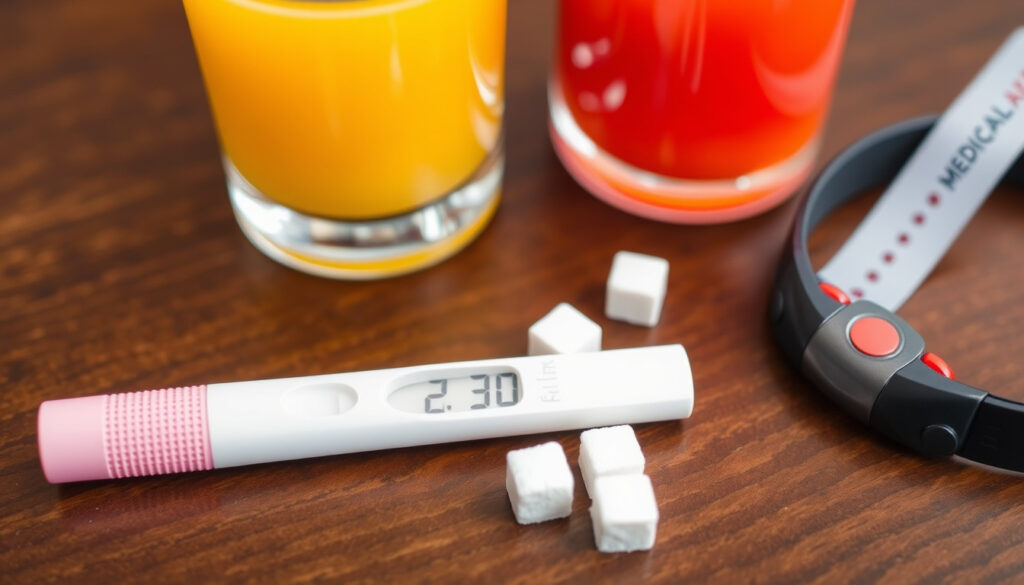
What Causes Low Blood Sugar? Hypoglycemia Causes & Symptoms
Few things are as unsettling as that sudden wave of shakiness, confusion, or sweating that signals your blood sugar has dropped. This guide breaks down the most common and lesser-known causes of hypoglycemia, what symptoms to watch for, and the exact steps to take when levels fall.
Normal blood glucose range: 70–99 mg/dL (3.9–5.5 mmol/L) ·
Hypoglycemia definition: Blood glucose below 70 mg/dL (3.9 mmol/L) ·
Severe hypoglycemia threshold: Blood glucose below 54 mg/dL (3.0 mmol/L) ·
Annual severe hypoglycemia in type 1 diabetes: 30–40% of patients experience at least one episode ·
Most common cause in diabetes: Side effect of glucose-lowering medications
Quick snapshot
- Medication side effect is the primary cause of hypoglycemia in diabetes (Cleveland Clinic – academic medical center)
- Blood glucose <70 mg/dL defines hypoglycemia (Mayo Clinic – leading medical center)
- Severe hypoglycemia (<54 mg/dL) can be life-threatening (CDC – U.S. public health agency)
- The brain is the organ most vulnerable to low blood sugar (Cleveland Clinic)
- The exact prevalence of hypoglycemia in non-diabetic populations is uncertain due to underreporting.
- Optimal carbohydrate intake to prevent exercise-induced hypoglycemia varies individually.
- Hypoglycemia can develop within 15–30 minutes after medication, exercise, or alcohol intake if not balanced with food.
- Focus on prevention: adjust insulin timing, plan meals, monitor glucose before exercise, and carry fast-acting carbs.
The table below compiles key prevalence and rarity data for quick reference.
| Fact | Value |
|---|---|
| Prevalence in diabetes | Mild hypoglycemia occurs weekly in many patients; severe episodes affect 30-40% of type 1 diabetics annually. (CDC) |
| Common non-diabetic cause | Critical illness (liver, kidney, heart failure) or sepsis accounts for many hospital-acquired hypoglycemia cases. (Cleveland Clinic) |
| Rarest cause | Insulinoma (insulin-secreting tumor) – incidence about 1 per 250,000 person-years. (GoodRx – online pharmacy resource) |
What causes your blood sugar levels to go low?
Hypoglycemia in people with diabetes most often traces back to a mismatch between glucose-lowering medication, food, and activity. But the reasons go beyond diabetes care — non-diabetics can also experience it.
Medication-induced hypoglycemia
- Taking too much insulin or sulfonylurea medications is the leading cause in diabetes. (Cleveland Clinic)
- Meglitinides, another class of oral diabetes drugs, also raise the risk. (Cleveland Clinic)
- In non-diabetics, accidental use of these drugs or other medications like quinine can cause low blood sugar. (GoodRx)
Diet and timing
- Skipping or delaying meals, eating fewer carbohydrates than usual, or not balancing meals with protein, fat, and fiber can trigger hypoglycemia. (Cleveland Clinic)
- In type 1 diabetes, the American Diabetes Association emphasizes the need to match insulin timing with carbohydrate intake.
Alcohol and low blood sugar
- Drinking alcohol without food can inhibit the liver’s release of glucose, leading to a delayed drop in blood sugar hours later. (Cleveland Clinic)
- This risk is especially high in people with diabetes who drink on an empty stomach.
Exercise and physical activity
- Unplanned or strenuous exercise can lower blood glucose by increasing glucose uptake into muscles. (GoodRx)
- People with diabetes need to adjust insulin doses or consume extra carbohydrates before activity.
Critical illness and organ failure
- Severe infections, kidney failure, liver disease, and heart failure can all precipitate hypoglycemia due to impaired glucose production or increased demand. (Cleveland Clinic)
- Sepsis is a common culprit in hospitalized patients without prior diabetes.
Hormonal deficiencies
- Adrenal insufficiency (low cortisol) reduces the body’s ability to raise glucose, leading to recurrent lows. (Cleveland Clinic)
- Growth hormone deficiency in children is another rare but documented cause.
Insulinoma and other tumors
- An insulin-secreting tumor of the pancreas (insulinoma) is a rare cause of recurrent hypoglycemia in non-diabetics. Incidence is about 1 per 250,000 person-years. (GoodRx)
- Other tumors that secrete insulin-like growth factors can have the same effect.
The implication: a systematic check of medication, meal timing, and underlying health conditions can pinpoint the trigger.
What are the signs and symptoms of low blood sugar?
Symptoms fall into two groups: those your body sends as a warning, and those that indicate the brain is running low on fuel.
Early autonomic symptoms
- Shakiness, sweating, chills, anxiety, irritability, hunger, and rapid heartbeat are classic early signs. (Cleveland Clinic)
- These occur because the body releases adrenaline (epinephrine) to raise glucose.
Neuroglycopenic symptoms
- Confusion, dizziness, blurred vision, slurred speech, and weakness signal that the brain’s glucose supply is inadequate. (Cleveland Clinic)
- These symptoms require immediate treatment to prevent progression.
Severe hypoglycemia symptoms
- If untreated, severe hypoglycemia can cause seizures, loss of consciousness, and coma. (Gvoke Glucagon – emergency treatment developer)
- Blood glucose below 54 mg/dL (3.0 mmol/L) is clinically significant and warrants urgent action. (CDC)
People with diabetes who lose their warning symptoms (hypoglycemia unawareness) face a higher risk of severe episodes. Regular glucose monitoring and reviewing medication regimens can restore awareness.
The pattern: early signs are adrenaline-driven; later signs reflect brain fuel shortage — the faster you act, the less risk of escalation.
What deficiency causes low blood sugar?
While medication and lifestyle are most common, a handful of hormonal and enzyme deficiencies can also cause blood sugar to plunge.
Adrenal insufficiency (cortisol deficiency)
- Cortisol normally stimulates glucose production. When low (e.g., Addison’s disease), recurrent hypoglycemia can occur, especially during stress or illness. (Cleveland Clinic)
Growth hormone deficiency
- In children with growth hormone deficiency, fasting hypoglycemia is a well-known feature because growth hormone helps maintain glucose levels.
Glucagon deficiency
- Glucagon counteracts insulin and raises glucose. A deficiency is rare but disrupts the body’s emergency response to low blood sugar.
Glycogen storage diseases
- Inherited metabolic disorders like von Gierke disease (type I) prevent the liver from releasing stored glucose, leading to severe fasting hypoglycemia.
The catch: deficiencies are rare but should be considered when common causes are ruled out.
Is low blood sugar dangerous?
Not all low blood sugar is equal. The risk depends on the level, how fast it drops, and whether the person has intact warning signs.
Mild vs. severe hypoglycemia
- Mild episodes (54–69 mg/dL) are common and usually managed with fast-acting carbs.
- Severe hypoglycemia (<54 mg/dL) can cause seizures, coma, and death. (CDC)
Dangerous blood sugar levels
- Anything below 54 mg/dL (3.0 mmol/L) is considered clinically significant and requires immediate treatment. (CDC)
- In people without diabetes, symptoms typically appear at slightly higher thresholds but still warrant treatment.
Nocturnal hypoglycemia risks
- Low blood sugar during sleep often goes unnoticed, which makes it especially dangerous. Symptoms like night sweats or morning headaches can be clues.
Long-term complications
- Recurrent severe hypoglycemia can impair cognitive function over time and increase cardiovascular risk.
Hypoglycemia unawareness – when the body stops producing early warning symptoms – is a dangerous condition that requires medical adjustment of the diabetes treatment plan.
The upshot: any reading below 54 mg/dL demands urgent action, and nocturnal lows require proactive monitoring.
What organ is most affected by low blood sugar?
The brain is by far the most vulnerable organ because it depends entirely on circulating glucose – it cannot store it.
The brain’s dependence on glucose
- The brain uses about 20% of the body’s glucose and has no glycogen stores. Even a brief drop can impair function. (Cleveland Clinic)
Neuroglycopenia and neurological deficits
- When glucose falls, the brain develops neuroglycopenia, leading to confusion, seizures, and coma. (Gvoke Glucagon)
- These symptoms are reversible if treated quickly, but prolonged episodes can cause permanent damage.
Potential for permanent brain damage
- Severe, prolonged hypoglycemia can result in brain damage or death. The exact duration required varies, but any episode lasting more than 30 minutes with loss of consciousness demands emergency care.
What this means: protecting brain function is the highest priority in hypoglycemia management.
What should you do if your blood sugar is low?
Immediate action is simple: eat or drink fast-acting carbohydrates, then recheck.
- Step 1: Confirm low blood sugar with a meter – If you have symptoms and a glucose meter, test. If the reading is below 70 mg/dL, begin treatment.
- Step 2: Consume 15 grams of fast-acting carbohydrates – Options: 4 glucose tablets (4–4.5 g each), half cup of fruit juice, half cup of regular soda, or 1 tablespoon of sugar or honey. Do not use chocolate or ice cream – fat slows absorption. (Cleveland Clinic)
- Step 3: Recheck after 15 minutes – Wait 15 minutes, then test again. If still below 70 mg/dL, repeat Step 2. (Cleveland Clinic)
- Step 4: Repeat if still low – If after two cycles your blood sugar remains below 70 mg/dL, seek medical help.
- Step 5: Eat a snack if next meal is more than 1 hour away – Once blood sugar is above 70 mg/dL, eat a small snack containing protein and complex carbs (e.g., cheese and crackers, peanut butter sandwich) to prevent another drop.
- Severe hypoglycemia: glucagon or emergency help – If the person is unconscious, confused, or unable to swallow, do not give food or drink. Administer glucagon injection (if available) and call 911. (Gvoke Glucagon)
Keep glucose tablets or juice on hand if you have diabetes or are prone to lows. Train family members and coworkers how to use glucagon. Every minute counts in a severe episode.
The pattern: the 15-15 rule works for most mild episodes; severe cases require immediate medical backup.
What’s confirmed and what’s unclear
Confirmed facts
- Medication side effect is the primary cause of hypoglycemia in diabetes.
- Blood glucose <70 mg/dL defines hypoglycemia.
- Severe hypoglycemia (<54 mg/dL) can be life-threatening.
- The brain is the organ most vulnerable to low blood sugar.
What’s unclear
- The exact prevalence of hypoglycemia in non-diabetic populations is uncertain due to underreporting.
- Optimal carbohydrate intake to prevent exercise-induced hypoglycemia varies individually.
Expert perspectives
The most common reason for low blood sugar is a side effect of medications used to treat diabetes.
Taking too much insulin, not eating enough carbohydrates for how much insulin you take, and timing of insulin are key causes.
CDC – U.S. public health agency
Low blood sugar can also be caused by missing or delaying meals, unplanned physical activity, and drinking alcohol on an empty stomach.
For people with diabetes, prevention comes down to careful medication timing, consistent carbohydrate intake, and regular glucose monitoring. For non-diabetics, the priority is identifying the underlying cause — be it a medication, a deficiency, or a rare condition like insulinoma. The implication is clear: carry fast-acting carbs, know your numbers, and never ignore the early warnings.
Frequently asked questions
What should I eat to raise blood sugar quickly?
Fast-acting carbohydrates like glucose tablets, fruit juice, or regular soda — 15 grams worth. Avoid chocolate or ice cream because fat slows absorption.
Can stress cause low blood sugar?
Stress typically raises blood sugar due to stress hormones, but in rare cases, stress can trigger hormonal issues that may contribute to hypoglycemia. It’s not a direct cause.
Is low blood sugar more common at night?
Yes, especially in people with diabetes who take insulin. Nocturnal hypoglycemia often goes unnoticed and can be dangerous. Symptoms include night sweats and morning headaches.
How do you prevent low blood sugar?
Monitor glucose regularly, eat consistent meals with balanced carbs, adjust insulin before exercise, limit alcohol with food, and work with your healthcare provider to fine-tune your medication regimen.
Does exercise cause low blood sugar in non-diabetics?
In healthy individuals, the body normally compensates by releasing stored glucose. However, prolonged or extreme exercise without sufficient fuel can cause a transient drop, though it’s rarely dangerous.
Can low blood sugar cause weight loss?
Unintentional weight loss can occur if low blood sugar is due to an underlying condition like hyperthyroidism or insulinoma, but hypoglycemia itself doesn’t directly cause weight loss.
What medications besides insulin can cause low blood sugar?
Sulfonylureas and meglitinides (oral diabetes drugs) are the most common. Other medications like quinine, salicylates, and some infections treatments can also affect blood glucose, especially in people with kidney or liver problems.
More related posts
 What Happens After You Die? Medical & Religious Views
 Cruises from New York 2026: Best Lines & Ports
 Farmers Markets Near Me: Dublin & Ireland Schedules
 What Is Whole Life Insurance? How It Works, Costs & Expert Views
 I Am Kenough Hoodie: Meaning, Fit, and Where to Buy (2024 Guide)
 Recent Celebrity Deaths 2025: Notable Figures Who Died This Year
 Texans vs Vikings Player Stats, History & 2025 Outlook
 Best Apple Watch Bands for Women: Comfort, Style & Size Guide
