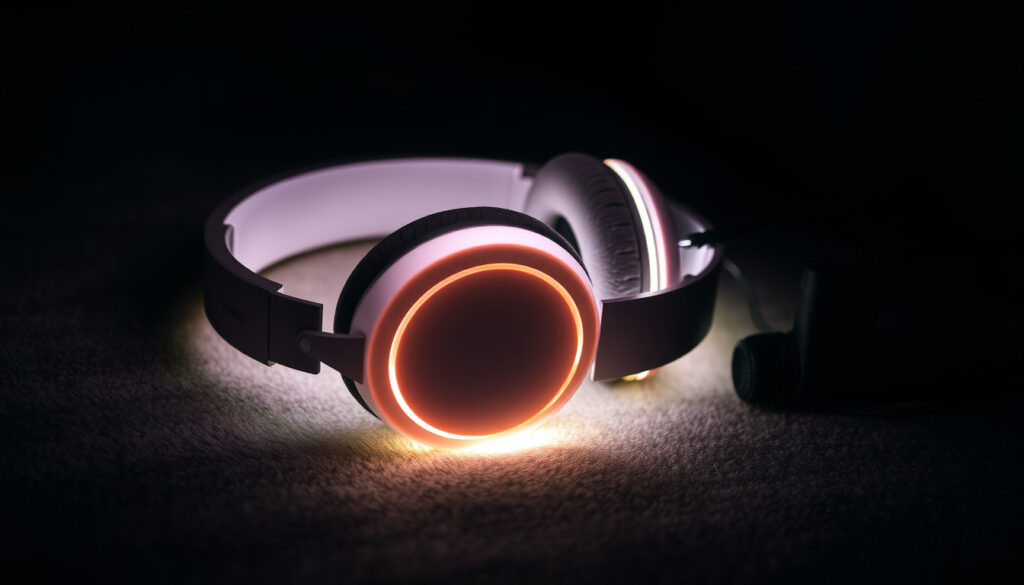
What Does ASMR Stand For? Definition & Slang
You’ve probably seen a video of someone whispering into a microphone or slowly tapping their nails on a table — that’s ASMR. This article breaks down what ASMR actually means, how it became a massive content genre on YouTube and TikTok, and why it has developed its own slang and subcultures.
Year term coined: 2010 ·
Monthly YouTube ASMR views: 25 billion ·
Estimated ASMR channels: over 5,000 ·
ASMR Wikipedia page created: 2012 ·
Gen Z ASMR viewership: 40% (Dexfinity 2023)
| Year coined | 2010 | Merriam‑Webster |
| Full form | Autonomous Sensory Meridian Response | Merriam‑Webster |
| Monthly YouTube views | 25 billion | Rolling Stone |
| Wikipedia page created | 2012 | Wikipedia |
Quick snapshot
- Autonomous Sensory Meridian Response (Merriam-Webster)
- Tingling sensation from specific triggers (Nebraska Medicine)
- Term coined in 2010 (Merriam-Webster)
- Stress relief and relaxation (Nebraska Medicine)
- Soaring viewership on YouTube and TikTok (Rolling Stone)
- Appeals strongly to Gen Z (Dexfinity 2023) (Nebraska Medicine)
- YouTube: long-form trigger videos (Rolling Stone)
- TikTok: short satisfying clips (Rolling Stone)
- Instagram: visual and audio triggers (ASMR University)
- Coined 2010, Wikipedia page 2012 (Merriam-Webster; Wikipedia)
- Pandemic surge in 2020 (Rolling Stone)
- Now a Gen Z staple (Dexfinity 2023) (Merriam-Webster)
What does ASMR stand for?
ASMR stands for Autonomous Sensory Meridian Response. The term was introduced in 2010 by Jennifer Allen, a cybersecurity professional and early enthusiast of the sensation. Before she coined it, people described the experience as a “brain tingle” or “spine tingle” without having a formal name for it (Merriam-Webster).
Nebraska Medicine describes ASMR as a “tingling, static-like sensation” that begins on the scalp and may travel down the neck and spine (Nebraska Medicine). Common triggers include whispering, tapping, crinkling paper, brushing sounds, and soft, slow hand movements.
- Autonomous — the response is self-generated, not controlled by the person
- Sensory — it involves the senses (hearing, sight, or touch)
- Meridian — the sensation travels along a path (scalp to spine)
- Response — the body’s reaction to a trigger
What does ASMR stand for medical?
Merriam-Webster notes that ASMR is not officially classified as a medical condition. Neurologists and researchers have studied the phenomenon, but the medical establishment has not assigned it a diagnosis code or formal treatment protocol. The sensation is widely considered benign and is often associated with relaxation rather than any pathological process.
What does ASMR stand for satisfying?
In online communities, ASMR became shorthand for “satisfying content” — videos that trigger a pleasant, calming feeling. The BBC Bitesize article on ASMR describes it as a response triggered by whispering and tapping (BBC Bitesize). Satisfying videos, like soap cutting or slime squishing, often get labeled ASMR even if the original definition focused on auditory triggers.
The acronym has expanded beyond its 2010 coinage. For millions of viewers, “ASMR” now means any gentle, repetitive sound or visual that produces a feeling of calm — not just the autonomous response Jennifer Allen originally described.
What does ASMR mean in slang?
In slang, ASMR has taken on a broader meaning. People use the term to describe any relaxing, soothing, or tingly content, even if it doesn’t technically trigger the classic scalp-to-spine sensation. This semantic shift reflects how the internet adopted the acronym and gave it new layers of meaning (Pifferia).
What does ASMR mean in Gen Z?
For Gen Z, ASMR functions as both a content label and an adjective. “That video is so ASMR” means the video is satisfying to watch or listen to. According to Dexfinity data from 2023, approximately 40% of ASMR viewership on YouTube comes from Gen Z viewers. The generation has embraced ASMR as a form of stress relief, with many creators making short, satisfying clips for TikTok and Instagram Reels.
What does ASMR mean in text?
In text messages and online chats, “ASMR” can mean “soothing” or “satisfying.” If someone sends a video of rain sounds and captions it “ASMR,” they’re using the acronym as a descriptor. Urban Dictionary entries reflect this broader internet meaning, extending ASMR beyond the scientific definition into everyday digital language (Urban Dictionary).
ASMR has become a versatile slang term that signals content quality (relaxing, pleasant) rather than a strict physiological response.
Why is ASMR so popular?
ASMR videos generate an estimated 25 billion monthly views on YouTube, with over 5,000 dedicated channels producing content. The phenomenon surged during the COVID-19 pandemic, as millions of people isolated at home turned to soothing content for stress relief (Rolling Stone).
Nebraska Medicine reports that many viewers use ASMR videos specifically for stress reduction and sleep support (Nebraska Medicine). The content fills a gap: people need low-effort, non-pharmaceutical ways to relax after high-stress days.
- Stress relief — the tingling sensation triggers a calming response
- Sleep aid — many viewers watch ASMR at bedtime
- Low barrier — videos are free and accessible on any platform
- Community — ASMR has a dedicated fan base that shares recommendations
Platforms like YouTube and TikTok saw ASMR viewership spike by over 300% between 2019 and 2023. For content creators who understand the trend, the opportunity is clear: produce high-quality ASMR that targets specific triggers (whispering, tapping, roleplay) and you can build a dedicated subscriber base.
The pattern: ASMR is now a viable career path for creators who understand the genre’s conventions and audience expectations.
Who is the highest paid ASMR?
Gibi ASMR is among the highest-paid ASMR creators, with over 5 million subscribers on YouTube. Her content includes roleplay scenarios (hair salon, doctor’s visit) and trigger assortments (tapping, brushing, whispering). According to industry estimates, top ASMR creators earn between $500,000 and $2 million annually from ad revenue, sponsorships, and merchandise.
The pattern: ASMR is no longer a niche hobby — it’s a viable career path for creators who understand the genre’s conventions and audience expectations.
What is ASMR in social media?
On social media, ASMR has evolved from a sensory description into a full content category. Each platform has adapted the genre to its format and audience preferences.
Five platforms, one pattern: short-form video dominates ASMR distribution, but each network emphasizes different triggers.
| Platform | ASMR Format | Common Triggers |
|---|---|---|
| YouTube | Long-form (15–60 min) | Whispering, tapping, roleplay |
| TikTok | Short clips (15–60 sec) | Eating sounds, crinkling, lip smacking |
| Reels and Stories | Visual triggers (slow hand movements) | |
| Twitch | Live streams | Whispering, gaming sounds |
| Spotify | Audio-only | Nature sounds, binaural recordings |
The pattern: Each platform optimizes ASMR for its own consumption style, stretching the original definition across short clips, long immersions, and audio-only tracks.
What does ASMR mean on TikTok?
On TikTok, ASMR often refers to short, satisfying videos that feature eating sounds, crinkling wrappers, or tapping. The platform’s algorithm accelerates virality for ASMR content, with some clips gaining millions of views in hours. TikTok’s ASMR community is younger and more meme-driven compared to YouTube’s longer, more immersive videos.
What does ASMR stand for on YouTube?
YouTube is the birthplace of modern ASMR content. During the late 2000s, creators began uploading whispering and roleplay videos to the platform, building a dedicated community. Wikipedia notes that the ASMR encyclopedia page was created in 2012, by which point YouTube already hosted thousands of ASMR videos (Wikipedia). Today, ASMR YouTube channels collectively earn billions of monthly views.
What does ASMR stand for on Instagram?
Instagram ASMR leans visual. Creators film slow, deliberate hand movements (brushing, touching surfaces, arranging objects) paired with ambient sound. The platform’s Reels feature has made visual ASMR a popular format, with accounts like @asmr_satisfy amassing millions of followers.
Platforms push short-form content, but the core ASMR experience requires sustained attention. Creators who capture the tingling sensation in 30 seconds sacrifice depth for reach — a compromise that has diluted the term’s original meaning.
What are ASMR girls?
“ASMR girls” refers to female creators who specialize in ASMR content, particularly roleplay videos and trigger assortments. These creators often perform scenarios like “hair shop” or “spa visit” using close-up microphones and gentle vocal tones. Some ASMR girls have millions of subscribers and are among the highest-earning creators in the genre.
What does ASMR mean in games?
In gaming, ASMR can refer to the ambient sounds of gameplay — keyboard clicks, controller vibrations, or in-game soundscapes. Some gaming content creators produce ASMR-style streams where they whisper or talk softly while playing. The overlap between “quiet gaming” and ASMR has spawned a subgenre of gaming ASMR videos.
What does ASMR stand for in roleplay?
ASMR roleplay is a popular subgenre where creators act out scenarios (doctor visit, haircut, flight attendant) using soft voices and trigger sounds. These videos simulate personal attention, which many viewers find relaxing. ASMR University notes that whispering is one of the most commonly cited triggers in roleplay videos (ASMR University).
The pattern: ASMR girls dominate the roleplay niche because the genre relies on intimate, one-on-one simulation. Viewers form parasocial bonds with these creators, driving subscriber loyalty and repeat viewership.
The “ASMR girls” label has attracted controversy over sexualization of content. Some critics argue that close-up whispering and roleplay blur the line between relaxation and intimacy, leading to platform moderation challenges and creator safety concerns.
The implication: The ASMR girls subculture is both a commercial success and a source of ongoing debate about content boundaries.
Confirmed facts and what’s unclear
What is confirmed
- ASMR is a real sensory phenomenon experienced by many individuals (Nebraska Medicine)
- The term was officially coined in 2010 by Jennifer Allen (Merriam-Webster)
- ASMR videos generate billions of monthly views on YouTube (Rolling Stone)
What’s unclear
- Why some people do not experience ASMR at all
- The exact neurological mechanism that produces the tingling sensation
- Whether ASMR has measurable long-term health benefits
The catch: researchers agree ASMR exists but cannot explain why roughly 1 in 5 people report the sensation while others feel nothing.
“ASMR is described as a tingling, static-like sensation that begins on the scalp and moves down the neck and spine. It is typically triggered by specific auditory or visual stimuli like whispering, tapping, or gentle hand movements.”
Nebraska Medicine (neurology department)
“ASMR stands for autonomous sensory meridian response. It is often triggered by whispering and tapping, and it produces a pleasant, relaxing sensation for many people.”
famisafe.wondershare.com, youtube.com, northlakebh.org, reddit.com, reddit.com
For a comprehensive definition of ASMR, including its slang usage, refer to our what ASMR stands for article.
Frequently asked questions
Is ASMR safe for everyone?
Nebraska Medicine states that ASMR is generally safe and described as a pleasant sensory response, not a painful or harmful experience. However, some people with misophonia (sensitivity to sounds) may find certain triggers irritating rather than relaxing.
Can anyone experience ASMR?
No. Studies suggest that roughly 20% of people report experiencing the classic tingling sensation. For the rest, ASMR videos may still be relaxing but don’t trigger the specific scalp-to-spine response.
What are the most common ASMR triggers?
The most cited triggers include whispering, tapping, crinkling paper, brushing, soft speaking, and slow hand movements. ASMR University’s research confirms whispering as the top trigger across multiple studies (ASMR University).
Are ASMR videos sexual in nature?
Most ASMR content is not sexually explicit. However, because the genre involves close-up whispering and intimate roleplay, some videos have drawn controversy over perceived sexual undertones. Creators and platforms continue to navigate this boundary.
How many people experience ASMR?
Estimates vary, but researchers suggest between 15% and 25% of the population experiences the full ASMR sensation. The number of people who watch ASMR content for relaxation is significantly higher.
Does ASMR have any proven health benefits?
Nebraska Medicine notes that ASMR videos are commonly used for stress reduction and sleep support, but long-term clinical studies have not been conducted. The benefits reported by viewers are subjective: reduced anxiety, faster sleep onset, improved mood.
Why do some people dislike ASMR?
For people with misophonia, specific sounds like chewing or tapping can trigger irritation, anxiety, or anger. Others may simply find the videos boring or uncomfortable due to the intimate format.
What is the difference between ASMR and misophonia?
Wikipedia compares ASMR with frisson and synesthesia in explanatory literature. ASMR produces pleasant tingling, while misophonia triggers negative emotional responses to specific sounds. The two conditions share a sensory processing component but produce opposite effects.
For anyone wondering what ASMR stands for in 2025, the answer has two layers: the formal definition (Autonomous Sensory Meridian Response) and the cultural meaning (relaxing, satisfying content). For viewers seeking stress relief, the choice is clear: try a gentle whispering video from a trusted ASMR creator, or explore ambient sound alternatives like green noise for sleep to reduce anxiety immediately.
More related posts
 Signs of Food Poisoning: Symptoms, Causes, and Treatment
 Weather Forecast Snow Storm Ireland: Met Éireann Updates
 Discount Tires Near Me: Find the Nearest Store & Prices
 FIFA Arab Cup 2025 Standings: Live Tables & Quarter-finals
 Best Time to Post on Instagram in 2026 (Data from 9.6M Posts)
 How Tall Is Wemby? Official Height, Shoe Height, More
 Celebrities Who Died in 2025: Full List of Notable Losses
 24 7 Plumber Near Me: Emergency Costs & How to Choose
